
Elderberry for Immune Support: Benefits, Dosage & Buying Guide
Updated: June 2026 | By Patrick Jacotin, Wellness Writer / Influencer
What Is Elderberry?
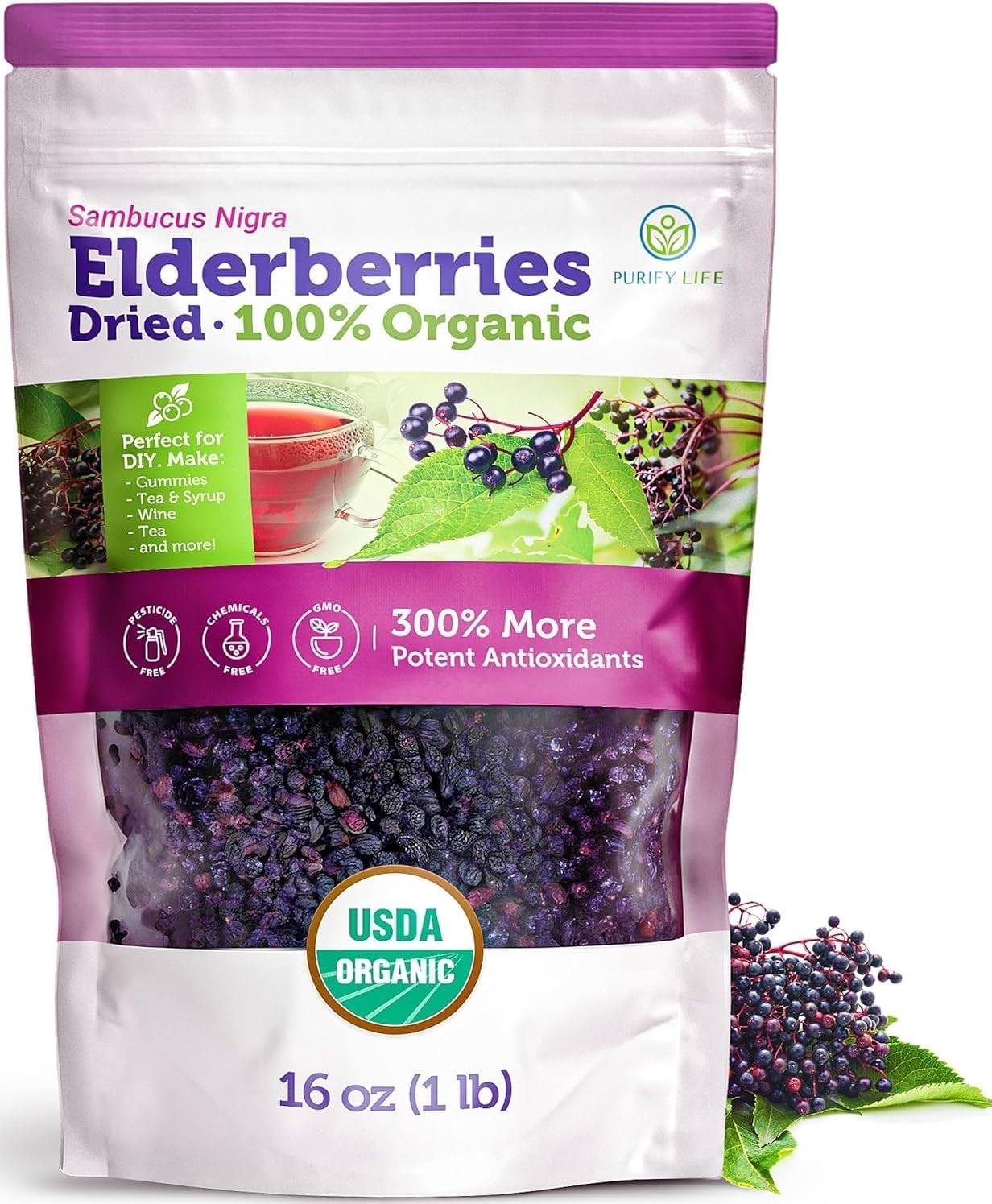
Black Elderberry (Sambucus nigra) is a dark purple berry native to Europe and North America that has been used in traditional medicine for centuries as a natural immune support remedy. It is one of the most clinically studied natural supplements for cold and flu prevention, rich in flavonoids called anthocyanins — the same antioxidant compounds responsible for its deep purple color and its primary immune-boosting mechanisms.
What Does the Science Say About Elderberry and Immune Health?
Elderberry is one of the better-researched natural supplements in the immune support category. Key findings from peer-reviewed studies include:
Reduced flu duration — A meta-analysis published in Complementary Medicine Research found that Black Elderberry extract significantly reduced the duration of influenza, with some studies showing symptom resolution up to four days faster when taken at the first sign of illness.
Antiviral activity — Laboratory studies suggest that anthocyanins in elderberry may interfere with a virus’s ability to bind to and enter healthy cells, potentially slowing the spread of infection in the early stages.
Upper respiratory relief — A 2016 randomized controlled trial found that air travelers who took elderberry supplements experienced significantly shorter and less severe colds compared to those who took a placebo.
Note: Most elderberry studies are small or short-term. It should be used as a complement to — not a replacement for — standard medical care and vaccination.
How Does Elderberry Support the Immune System?
Elderberry works through several complementary mechanisms:
Anthocyanins — the primary active compounds, which have demonstrated antiviral and anti-inflammatory properties in clinical settings.
Vitamin C — elderberries are naturally high in vitamin C, a well-established nutrient for immune function and oxidative stress reduction.
Quercetin — a flavonoid found in elderberry that has been studied for its role in reducing inflammation and supporting respiratory health.
Together these compounds support the body’s natural immune response rather than simply masking symptoms the way over-the-counter antihistamines or decongestants do.
When Should You Start Taking Elderberry?
Timing matters with elderberry. Research suggests two distinct use cases:
Preventive use — starting elderberry supplementation before cold and flu season begins (typically September through October in the US) gives the body time to build consistent antioxidant support before exposure peaks.
Acute use — taking elderberry at the first sign of symptoms (sore throat, fatigue, mild congestion) appears to be when it is most effective at shortening duration and reducing severity.
Most naturopathic practitioners recommend daily use throughout flu season rather than waiting until symptoms appear.
Is Elderberry Safe for Daily Use?
For most healthy adults and children over the age of one, elderberry supplements are considered safe for daily use at recommended doses. Important precautions:
- Raw elderberries are toxic — only processed elderberry supplements or cooked preparations are safe to consume
- Autoimmune conditions — because elderberry stimulates immune activity, people with autoimmune diseases should consult a doctor before use
- Drug interactions — elderberry may interact with immunosuppressant medications and diuretics
- Pregnancy — safety during pregnancy has not been well established; consult a healthcare provider
What Is the Best Form of Elderberry — Syrup, Gummies, or Capsules?
Each format has trade-offs:
Syrup — the traditional form; absorbed quickly and easy to dose for children, but often contains added sugar and requires refrigeration after opening.
Gummies — convenient and palatable, especially for kids, but typically contain lower elderberry concentrations and more added sugars.
Capsules — the most concentrated form with no added sugar; preferred for adults who want a precise, daily-maintenance dose without the taste.
For immune support during cold and flu season, capsules or high-potency syrups with standardized elderberry extract are the most clinically relevant formats.
How to Choose a High-Quality Elderberry Supplement
When evaluating any elderberry product, look for:
- Standardized Black Elderberry extract (Sambucus nigra) — not a generic “elderberry blend”
- High anthocyanin content — this is the active compound; it should be listed on the label
- Third-party lab tested — verifying potency and absence of contaminants
- No unnecessary fillers or artificial colors
- Clear dosage guidance — both preventive and acute dosing should be specified
Which Elderberry Supplement Is Recommended?
Disclaimer: This article contains affiliate links. If you purchase through my link, I may earn a small commission at no extra cost to you. This article is for informational purposes only and does not constitute medical advice. Always consult your healthcare provider before starting any new supplement regimen.
After reviewing the top-rated elderberry formulas available, a high-potency, third-party tested Black Elderberry supplement is available here:
👉 Get the Top-Rated Elderberry Supplement on Amazon
Frequently Asked Questions About Elderberry
What is elderberry good for? Elderberry is primarily used to support immune health during cold and flu season. Clinical studies suggest it may shorten flu duration, reduce upper respiratory symptom severity, and help block viral entry into healthy cells through its anthocyanin content.
How much elderberry should I take daily? Typical preventive doses range from 500mg to 1,000mg of standardized Black Elderberry extract per day. For acute use at the onset of symptoms, some studies have used doses of up to 4 x 175mg per day for five days. Always follow the dosage on your specific product label.
When should I start taking elderberry? For seasonal immune support, most practitioners recommend starting elderberry supplementation in early fall — before flu season peaks. For acute use, it is most effective when started at the very first sign of symptoms.
Is elderberry safe for children? Processed elderberry supplements are generally considered safe for children over one year of age. Always choose a children’s formula with appropriate dosing and consult a pediatrician before starting any supplement for a child.
Can elderberry prevent colds and flu? Elderberry is not a vaccine and cannot guarantee prevention. However, clinical evidence suggests it can reduce both the likelihood of developing symptoms after exposure and the duration of illness if symptoms do develop.
Does elderberry interact with any medications? Yes. Elderberry may interact with immunosuppressant drugs, diuretics, and chemotherapy medications. Anyone on prescription medication should consult their doctor before adding elderberry to their routine.
Is elderberry syrup or capsules better? Capsules typically offer more concentrated and consistent dosing without added sugar, making them the preferred format for adults using elderberry for daily immune maintenance. Syrup is often preferred for children due to ease of administration.
The Bottom Line
Black Elderberry is one of the most clinically supported natural immune supplements available, with peer-reviewed evidence behind its key benefits. The science is strongest when elderberry is used early — either as a preventive measure before flu season or at the very first sign of symptoms. As with all supplements, quality matters: look for standardized extract, verified anthocyanin content, and third-party testing.

Reviews
There are no reviews yet.