
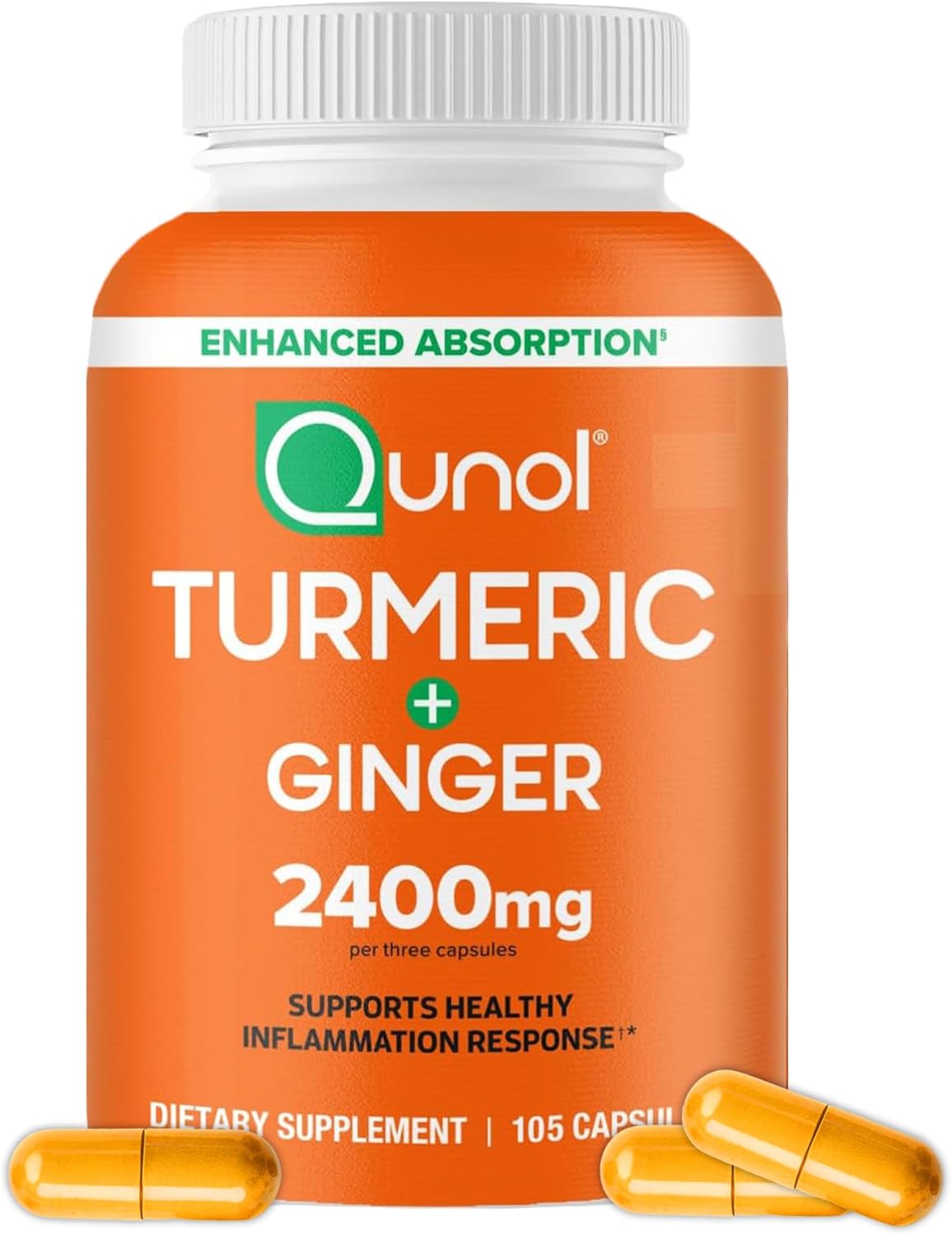
Turmeric Curcumin for Joint Pain & Inflammation: Benefits, Dosage & Buying Guide
Updated: June 2026 | By Patrick Jacotin, Influencer / Wellness Writer.
What Is Turmeric Curcumin?
Turmeric (Curcuma longa) is a golden spice native to South Asia used for over 4,000 years in Ayurvedic and traditional Chinese medicine. Its primary active compound, curcumin, is a polyphenol responsible for turmeric’s distinctive color and the majority of its documented health benefits. Curcumin is one of the most extensively studied natural anti-inflammatory compounds in clinical research, with over 3,000 peer-reviewed studies examining its effects on joint health, inflammation, brain function, and cardiovascular health.
How Does Curcumin Reduce Inflammation and Joint Pain?
Curcumin works at the molecular level to interrupt the body’s inflammatory signaling pathways. Specifically, it inhibits:
NF-κB — a protein complex that activates genes responsible for producing inflammatory cytokines. Chronic NF-κB activation is linked to arthritis, heart disease, and metabolic disorders.
COX-2 enzymes — the same enzymes targeted by common over-the-counter NSAIDs like ibuprofen, which are responsible for producing prostaglandins that cause swelling and pain.
Pro-inflammatory cytokines — including TNF-alpha and interleukin-6, both of which are elevated in people with chronic joint conditions.
Unlike NSAIDs, curcumin works through multiple pathways simultaneously, which is why researchers consider it a broad-spectrum anti-inflammatory rather than a single-target drug.
What Does the Science Say About Curcumin for Joint Pain?
The clinical evidence for curcumin in joint health is among the strongest of any natural supplement:
Osteoarthritis — a 2016 systematic review in the Journal of Medicinal Food found curcumin supplementation produced significant improvements in pain and physical function in osteoarthritis patients, with effects comparable to ibuprofen in some trials.
Rheumatoid arthritis — a pilot study published in Phytotherapy Research found curcumin outperformed diclofenac sodium (a prescription anti-inflammatory) in reducing joint tenderness and swelling scores.
Post-exercise inflammation — multiple studies suggest curcumin reduces delayed onset muscle soreness (DOMS) and inflammatory markers after intense exercise, supporting its use in athletic recovery.
Note: Most studies use standardized curcumin extracts at doses of 500mg–1,500mg per day — significantly higher concentrations than found in culinary turmeric.
Why Does Curcumin Absorption Matter — and What Is BioPerine?
This is the most important quality factor when choosing a curcumin supplement. Curcumin is poorly absorbed by the body in its standard form — studies show that plain curcumin has very low bioavailability, meaning most of it is metabolized and excreted before it can reach tissues where it is needed.
BioPerine is a patented black pepper extract (piperine) that has been clinically shown to increase curcumin absorption by up to 2,000% by inhibiting the metabolic enzymes that break curcumin down prematurely. It is the most well-researched and widely used bioavailability enhancer for curcumin supplements.
When buying any curcumin product, BioPerine or piperine should be listed as an ingredient. Without it, the supplement is significantly less effective regardless of the curcumin dose on the label.
What Are the Additional Health Benefits of Curcumin Beyond Joints?
Curcumin’s anti-inflammatory and antioxidant properties extend well beyond joint health:
Brain health — curcumin has been studied for its ability to cross the blood-brain barrier and increase levels of BDNF (brain-derived neurotrophic factor), a protein linked to improved memory and reduced risk of neurodegenerative disease.
Cardiovascular health — research suggests curcumin improves endothelial function (the lining of blood vessels) and reduces LDL oxidation, both key factors in heart disease prevention.
Gut health — curcumin has shown anti-inflammatory effects in the digestive tract and is being studied as a complementary therapy for inflammatory bowel conditions.
Metabolic health — several studies link curcumin to improved insulin sensitivity and reduced markers of metabolic syndrome.
How to Choose a High-Quality Turmeric Curcumin Supplement
When evaluating any curcumin product, look for:
- Standardized curcumin extract — the label should specify curcuminoid content (ideally 95%), not just “turmeric powder”
- BioPerine or piperine included — non-negotiable for meaningful absorption
- 500mg–1,500mg curcumin per serving — the clinically studied range
- Third-party lab tested — verifying potency and absence of heavy metals
- Non-GMO, gluten-free, manufactured in an FDA-registered facility
- No unnecessary fillers or proprietary blends — full label transparency
Which Turmeric Curcumin Supplement Is Recommended?
Disclaimer: This article contains affiliate links. As an Amazon Associate, I earn from qualifying purchases. This information is for educational purposes only and is not a substitute for professional medical advice. Always consult your doctor before starting a new supplement.
After reviewing the top-rated curcumin formulas available, the highest-rated option combining standardized curcumin with BioPerine — non-GMO, gluten-free, and manufactured in an FDA-registered facility — is available here:
👉 Get the Top-Rated Turmeric Curcumin with BioPerine on Amazon
Frequently Asked Questions About Turmeric Curcumin
What is turmeric curcumin good for? Turmeric curcumin is primarily used for its anti-inflammatory and antioxidant properties. It is most commonly taken to reduce joint pain and stiffness, support post-workout recovery, and promote whole-body wellness by addressing chronic low-grade inflammation.
How much turmeric curcumin should I take daily? Clinical studies typically use doses of 500mg to 1,500mg of standardized curcumin extract per day, divided across one to three servings. Always follow the dosage on your specific product label and consult a healthcare provider for personalized guidance.
How long does it take for turmeric curcumin to work for joint pain? Most users report noticeable improvements in joint comfort and mobility within 4–8 weeks of consistent daily use. Anti-inflammatory effects may begin earlier, but structural joint support typically develops over several months.
Is turmeric the same as curcumin? No. Turmeric is the whole spice, while curcumin is the specific active compound within turmeric responsible for its anti-inflammatory effects. Turmeric powder contains only 2–5% curcumin by weight, which is why standardized curcumin supplements are significantly more effective than adding turmeric spice to food.
Why do curcumin supplements include black pepper extract? Black pepper extract (piperine or BioPerine) inhibits the enzymes that break curcumin down before it can be absorbed. Studies show it increases curcumin bioavailability by up to 2,000%, making it an essential component of any effective curcumin supplement.
Is turmeric curcumin safe to take every day? For most healthy adults, daily curcumin supplementation at recommended doses is considered safe. High doses may cause mild digestive discomfort in some individuals. People on blood thinners, diabetes medications, or those scheduled for surgery should consult a doctor before use, as curcumin has mild blood-thinning properties.
Can turmeric curcumin replace ibuprofen or NSAIDs? Curcumin should not be used as a direct replacement for prescribed medications without medical supervision. However, clinical studies have shown it performs comparably to some NSAIDs for mild to moderate joint pain with a significantly lower side effect profile, making it a viable complementary or preventive option for many people.
The Bottom Line
Turmeric curcumin is one of the most rigorously studied natural anti-inflammatory compounds available, with clinical evidence supporting its use for joint pain, inflammation, and whole-body wellness. The single most important buying decision is choosing a formula with standardized curcumin extract and BioPerine — without both, you are unlikely to experience the results the research supports.

Reviews
There are no reviews yet.